
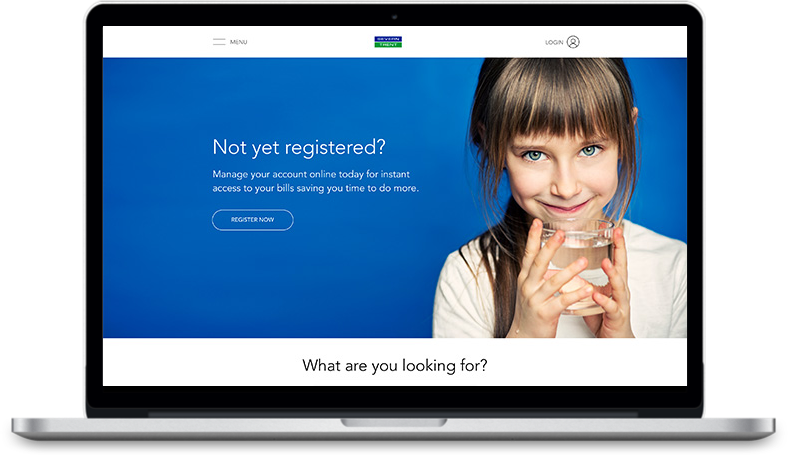
IBM were looking for a UX Lead for a web transformation project for Severn Trent Water. It was my responsibility to establish the happy paths for 6 key journeys to help increase conversions and improve processes through out the site.
The Challenges were having to simultaneously satisfy product owners, external management consultancies and the CCO whist keeping a clear vision on the product.
The research process included design thinking workshops, competitor analysis, and analytical report analysis.
These work shops helped create personas and identify user needs. Topics covered were:
- Journey Mapping.
- As-is Journey Mapping
- Needs Statements
- Idea Cards
- Storyboarding
Business Management Consultancy reports by Good Growth gave insights into Severn Trent's web and phone traffic with useful information on their KPI's. This was effective in establishing the sites hierarchy and behavioral clusters which led to making informed based design solutions.
Observations on utility sites informed me of design best practice in AI and UI. Research was also conducted on airline companies and financial services instructing our form handling and processes.
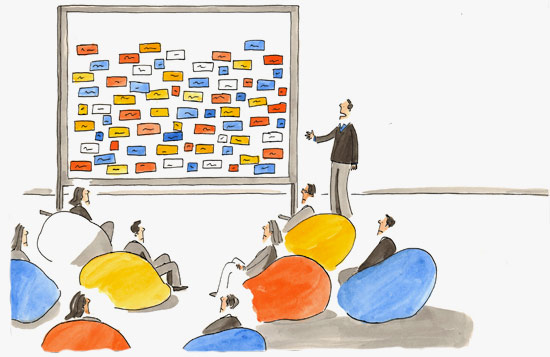
3 personas were created from data collected from the research phase, each with varying wants and needs.

“Make it easy and hassle free, don't make me think.”

“Help me manage my properties as a business.”

“Look out for my interests and step-in before something bad happens.”
The execution process focused on 6 key journeys that reflected Severn Tents KPI's. The 3 personas were constantly considered as a reminder of the research undertaken.
The execution consisted of the following:
- Heuristic Analysis.
- Task Flows.
- Card Sorting.
- Scamps.
- Low/Hifi Wire frames.
We diagnosed omissions from the 6 As-is Journeys and card sorted the processes to decrease the cognitive load. This strategy helped us create a smart and simple UI that acknowledged business requirement and user needs.
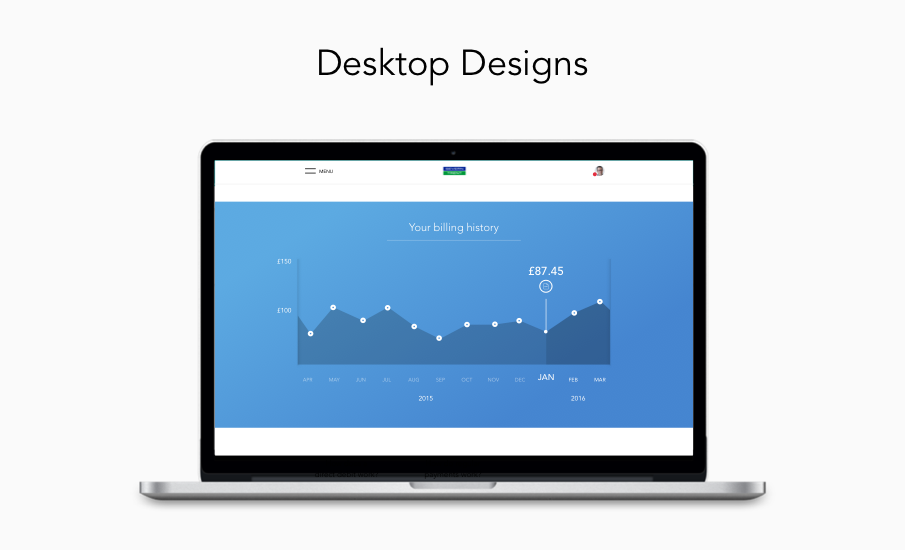
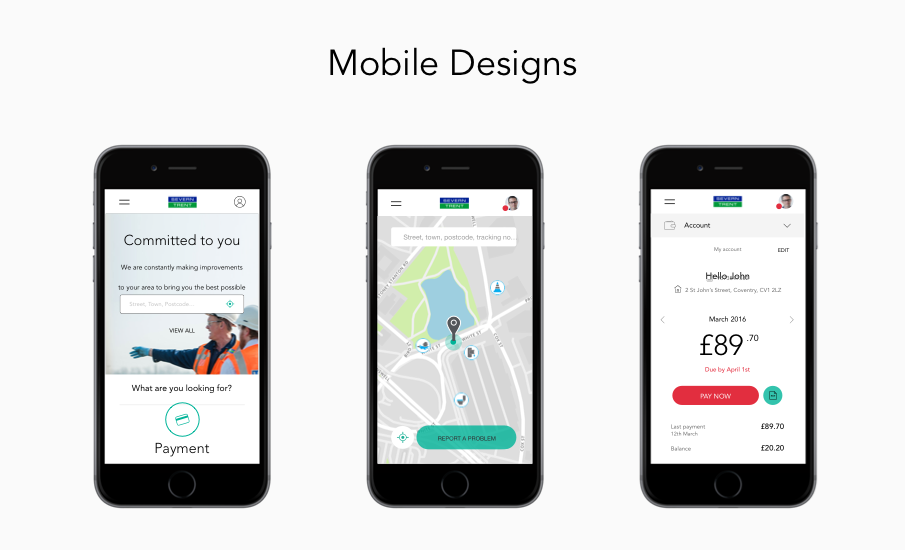
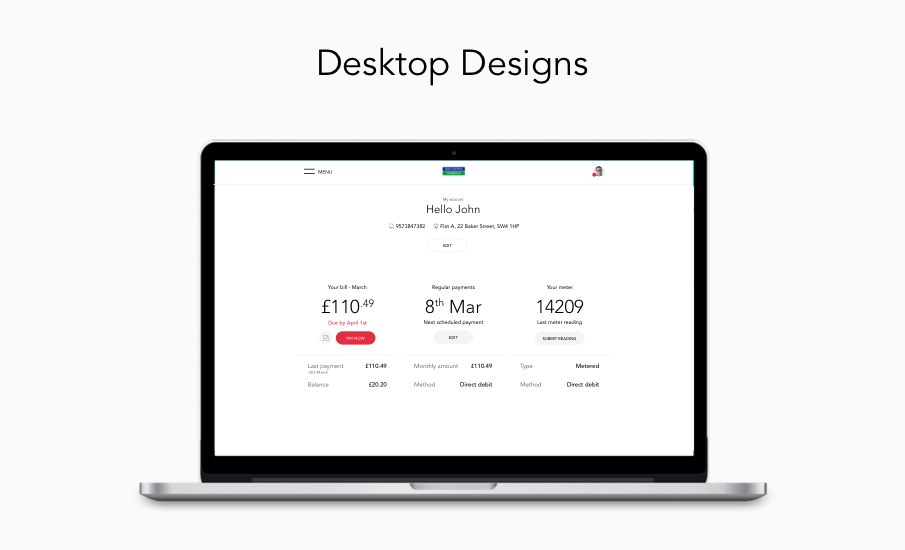
The As-is (current Severn Trent Site) was tested against a fully clickable Axure prototype (To-be version). 18 participants from the age demographic 20 - 65 described the prototype as 'Simple' and 'Intutitive', the current site was described as 'confusing' and 'overwhelming'.
Testing results showed a clear usability winner which validated our design thinking and rationale. This helped IBM secure a massive contract for the full web transformation for Severn Trent.